Variations of Samuel Johnson’s famous quote, ‘…When a man is tired of London, he is tired of life’ has been used in various advertising campaigns. As I’m not from London, the sentiment winds me up. It feels like an insult to everyone who lives, and embraces life, outside of Britain’s capital. Whenever someone in another country tells me they’ve visited Britain, I know what the answer is likely to be when I ask ‘Where?’ When they confirm my suspicions, I respond with a, ‘So, you haven’t really experienced Britain then?’
I don’t dislike London, I always enjoy visiting. It exudes an energy that is different from anywhere else in Britain. When I moved to Manchester from a small Scottish island, I had to adjust to a faster pace of life. The first time my job took me to The Big Smoke, I was taken aback at how the streets of Manchester seemed sluggish compared to London’s hectic walkways.

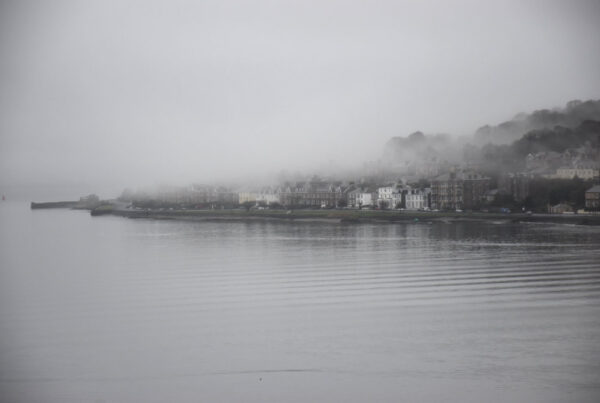
A serene London scene.
I don’t dislike London. But as an entity, it frustrates me. It speaks for the country yet isn’t necessarily representative of it (partly why the London-centric UK media often seem out of touch). Nowhere else in the country can you encounter so many people with accents that don’t reveal where they hail from. I’m talking RP here. Remote dealings with London across various careers have cemented my feelings.
Travel Writing & London
Ironically, trying to pursue careers as travel writers while living in and writing about a destination (Canary Islands) in another country felt like more of a disadvantage. That was because, as AI still points out, London is the hub for most media-related travel writing, publishing, and travel PR jobs. Thankfully, the most important people when it came to us developing a reputation as travel writers weren’t London-based editors or publishers, it was the readers who followed what Andy and I wrote, and then who subsequently bought our guides, raising the profiles of our websites. This ultimately led to more conventional travel writing work – newspapers, magazines, and commissioned guidebooks. We became travel writers despite working outside London’s established practices.

What, no other specialist Tenerife travel writers around?
However, initially, I felt like we were country yokels bumbling about in a world we had no right to be part of. On one visit to the World Travel Market in London, a writer based there replied in surprise when I told them I specialised in Tenerife and the Canary Islands, ‘Oh? I thought (names redacted) were the Canary Islands specialists.’ I was equally shocked an experienced travel writer could think there was a defined limit on how many writers specialised in a specific destination.
This revelation was followed up by more cracks – the broadsheet travel editor who mistook our online travel magazine for a tourist board and publicly castigated us for not ‘wooing’ them. Another editor who had to have it pointed out to them that using UPPER CASE in their emails all the time was considered shouting and therefore not acceptable. There are many more examples. In time, I stopped considering London as the be-all and end-all as far as travel writing was considered and viewed it like everywhere else. There were those there who were good at their job, and there were those who weren’t.

The elephant in the room at the World Travel Market.
Creative writing & London
Recently, I watched the excellent Good Vibrations, directed by Lisa Barros D’Sa and Glenn Leyburn, about Belfast’s ‘Godfather of Punk’, Terri Hooley. At one point, Terri tries to hawk a single around various music labels in London. Every one of them turns him down. The single was Teenage Kicks by The Undertones, which reveals how much industry ‘experts’ in London knew about the tastes of the rest of the country. In an interview in The Irish News, Terri observed “If you came from Northern Ireland, you hadn’t a hope in hell of getting a record contract so when we went over to London nobody wanted to know.”
I can connect with that, as I’m sure many involved in the creative industry who reside outside the capital can. I partly experienced it last year, sitting in front of a literary agent who hadn’t a cat’s chance in hell of being able to relate to what life on a small Scottish island might be like. Other experiences have revealed that, in terms of professionalism and insightful knowledge, the literary world mirrors that of the travel writing one. There are those who know their stuff, and there are those who don’t.

Different occupational sector, same old story.
It’s the same everywhere. It is just more concentrated in London because the city is, as we all know, the centre of the creative universe. The thing is, London is a part of the United Kingdom, not the other way around. There have been times I’ve tried to adjust, to fit in with London rules, and each time has felt like a sellout. That’s not to say I haven’t benefitted from priceless advice emanating from capital sources, just that I don’t believe London to be the font of all wisdom.
Which takes me back to when I first moved to Manchester in the mid-80s.
The view from outside
Every so often, a colleague transferred to a London office. The motive, as explained by others, was invariably ‘It’s to get promoted quicker.’ Whereas it could take years to be promoted in the North West, as was the case in most regions, our London-based colleagues were elevated to managerial roles in a fraction of the time. The accepted reason was that because of the high turnover of staff there, someone who’d been in the job months rather than years was considered ‘experienced.’ More often than not, the comment about the person seeking promotion ended with ‘…And they’ve no chance of ever being promoted here.’
Maybe that was harsh. Maybe it wasn’t. But it instilled a belief in me in the early days of my working career that London didn’t always attract the most talented people, it just had the best opportunities.