It doesn’t matter how many good reviews you get, it’s the negative ones that cut deepest, especially when they are undeserved. One that had steam blowing out my ears cartoon style was for our Real Tenerife guidebook. It said something along the lines of ‘There’s more information in the little leaflets handed out at the airport.’ The criticism was absolute nonsense and unfounded. I know there’s loads of information in our guidebook readers won’t find in any other. I also know there’s content that will piss some people off. Which is what, I suspect, happened with that particular reviewer.
But this isn’t about reviews of any of our products. It concerns a review of another writer’s book, Bute by David McDowall. Bute is one of those guidebooks which isn’t a series of ‘must-do’ lists, things to see, restaurants to eat in etc. It is ostensibly a walking guidebook whose directions are fleshed out by reams of information involving the social history of Bute. It’s hugely insightful, entertaining, and extremely educational. I learnt masses of things I didn’t know about the island I grew up on.

The ruins of a church in a remote spot. Why there? A good guidebook provides the answer.
On Amazon, the book gets a deserved 69% 5-star rating. I’m a metaphoric scab-picker, so when I spotted a 2-star rating, I had to have a look to see why the reviewer didn’t like the book. This was their reason:
“I expected to receive a colourful guide book to Bute. Not a single photo in colour in the whole book. Walks are described, but it’s mostly a history of Bute, which was not what I expected. I cannot believe all photos were black and white. Should be titled a “History of Bute,” because that’s what it is. Very disappointed.”
It annoyed the hell out of me.

Our guides explain why there are numbers on trees in Portugal’s forests, and what they mean.
Why do hikers hike?
AI gives these reasons why people hike:
Mental Health & Stress Relief: Hiking helps clear the mind, reduce anxiety, and combat burnout by providing a peaceful escape into nature. It acts as a form of “nature therapy”.
Physical Exercise: It strengthens the heart, improves balance, and builds muscle, offering a full-body workout superior to staying indoors.
Connection with Nature: Hiking allows people to experience breathtaking scenery, fresh air, and wildlife, fostering appreciation for the environment.
Personal Growth & Challenge: Navigating difficult trails and overcoming obstacles builds confidence, resilience, and a sense of accomplishment.
Socializing and Camaraderie: Hiking is a popular way to spend quality time with friends, family, or partners, strengthening relationships.
Mindfulness & Adventure: It encourages being present in the moment and offers a sense of freedom, exploration, and adventure that is hard to find in urban life.

History and an idyllic setting on Corsica
They are curated from a variety of websites, ranging from Reddit and a hiking site to a lifestyle influencer. All of the above are valid. However, there’s at least one major reason missing, and it’s one which should be apparent to anyone who is a fan of Slow Travel.
Walking through any destination is by far the best way to get to know and understand it.
Slow Travel Walking Guides
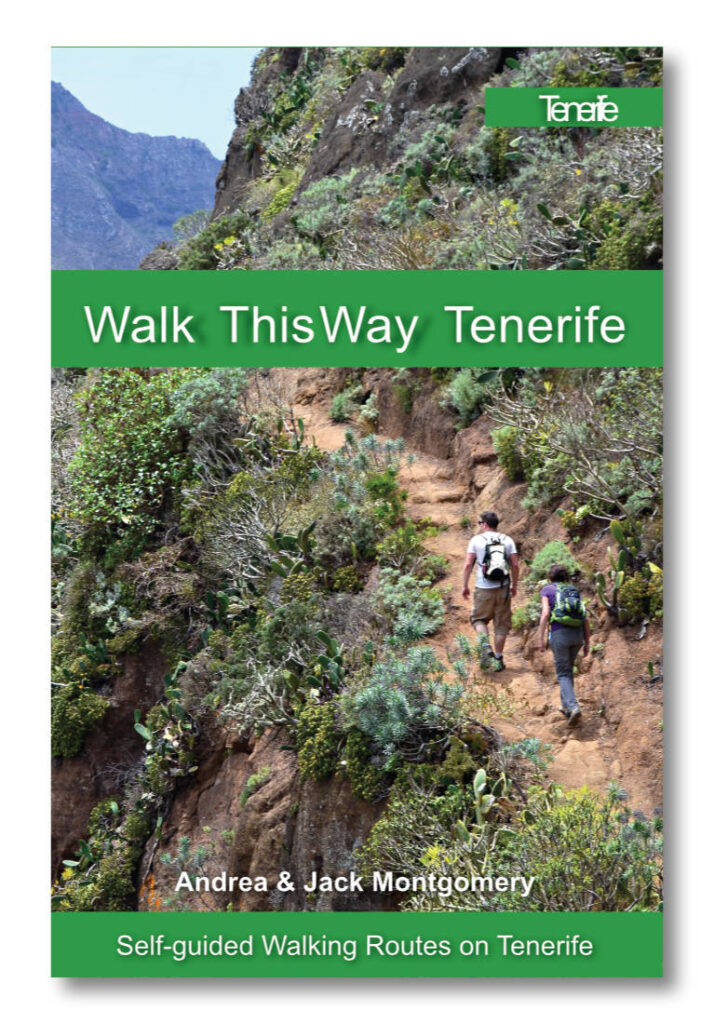
Since we started travel writing, Andy and I have compiled about forty Slow Travel guides covering ten European countries. The first were the guides we published ourselves for Tenerife. These led to us writing Slow Travel guides for a specialist UK company. While we learned better direction-writing techniques from the people we worked with, we brought our style and content preferences to their guides. i.e. we ramped up the background information about the areas people hiked through, adding descriptions about points of interest and quirky things along each route. It was an approach we applied when writing our own guides and we knew from countless emails it was one most people liked.
I say most people, but not everyone. Some just want straightforward directions – turn left at such and such; continue straight ahead for 500m, and so on. That’s fine. There are hikers who barely raise their heads to look at their surroundings, unless prompted to do so at a viewpoint. To me, that’s just a route march. But each to their own.

Where spirits dwell in Austria.
Whenever we write a guide for a destination we don’t know, we’re always on the lookout for the signs of what makes it tick, what makes its valleys, mountains, and forests different from its neighbours. There are always elements to any rural area that reveal this, helping hikers understand the ingredients that went into defining the character of a place.
In the Canary Islands, these signs may be found below our feet, on a cobbled path called a camino real, once a trading route between villages.

Following a camino real on Tenerife.
In parts of Portugal, numbers chalked on trees paint a picture of an ancient industry that continues to remain sustainable, the harvesting of cork. In another region of Portugal, drystone enclosures are a reminder wolves preyed on livestock in the northern hills.
Along Corsica’s idyllic coastline are the crumbling remains of fortifications which once defended the land from attacks from the sea. So effective were these Martello Towers in repelling British forces that the Brits replicated them along England’s south coast, ironically to protect it from attacks by the French.
A metal walkway through the stunning Geisterklamm (Spirit Gorge) leads from Austria to the border with Germany, winding through a landscape allegedly populated by spirits, sprites, and goblins, leaving walkers in no doubt this is still a world of legends and fairy tales.

Learning about the history of the Brecon and Monmouthshire Canal. But not all routes have info boards.
Strolling beside the Brecon & Monmouthshire Canal is like peering through a looking glass to a time when scenic structures such as these waterways were used as industrial arteries.
Every route has multiple stories to tell, all of which enrich the walking experience. That’s something David McDowall understands. Not so the person who left the negative review.